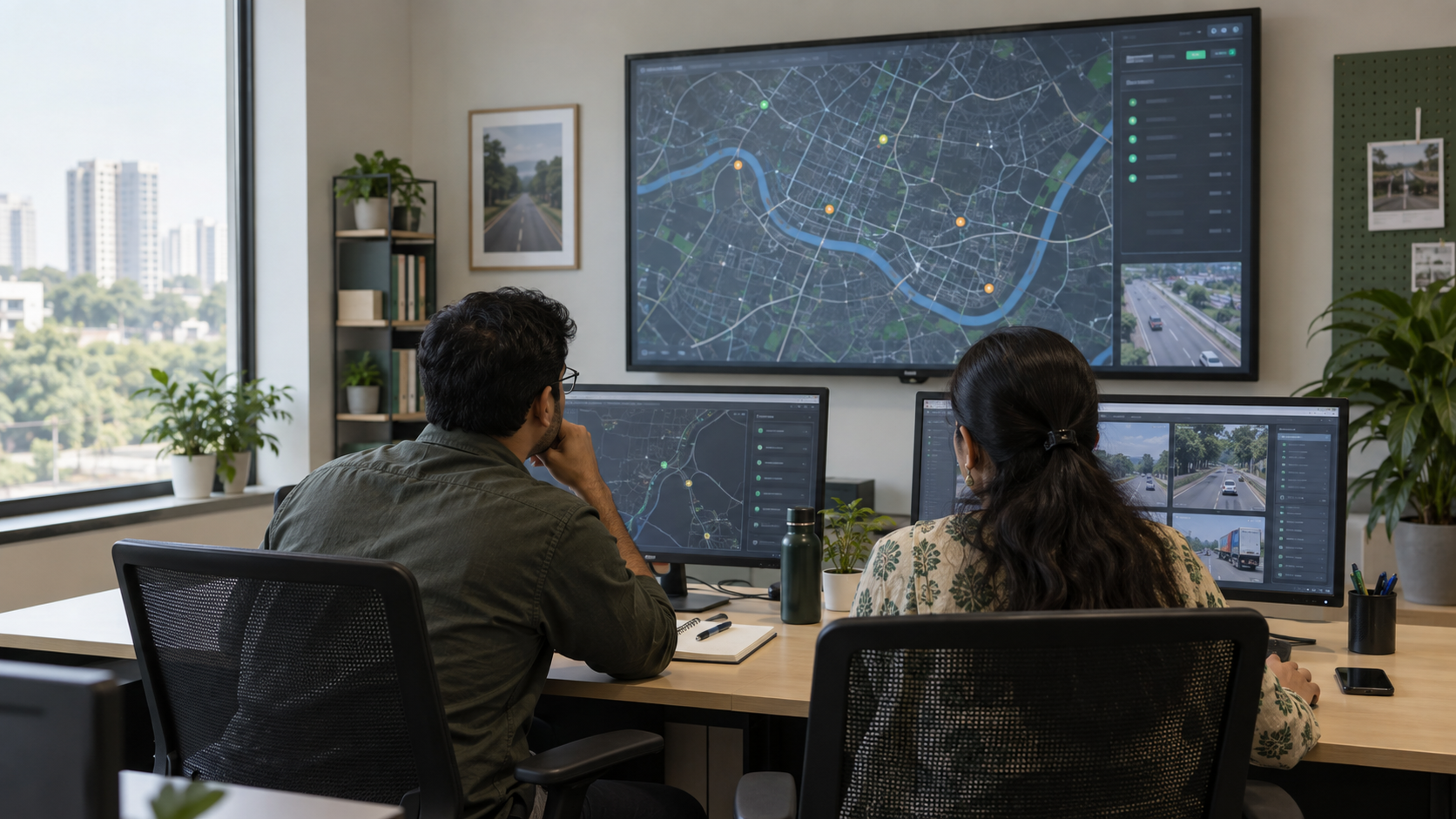
INSIDE THE JOURNEY / ILLUSTRATIONSafety should not depend on reaching a button.
Bring journey signals and reviewable observations into a workflow that helps people assess what needs attention.
Explore the safety layer ↗Journey safety. Reviewable video intelligence. Connected response.
INSIDE THE JOURNEY / ILLUSTRATIONBring journey signals and reviewable observations into a workflow that helps people assess what needs attention.
Explore the safety layer ↗Your vehicles. Your existing systems. A defined path from observations to an authorised review team.
See how the pieces connect ↗
ACROSS THE FLEET / ILLUSTRATIONParticipating vehicles and apps provide journey observations. Signal quality and missing data matter as much as the observation itself.
ACTEDS evaluates supplied signals over time. A changing score supports assessment; it does not establish that a crime has occurred.
Give an authorised team the event and its context. Station routing and response depend on an approved integration and operating process.
Murli V Tech is developing AI systems that help organisations understand journeys, review video evidence and connect meaningful events to an authorised response.
VV brings the journey-safety layer. ACTEDS evaluates signals in context. Our video tools make detected objects and their movements inspectable.
A late arrival or a route change needs context. ACTEDS brings available signals, confidence and persistence together before an eligible safety event is escalated.
Explore journey safetyFind detected objects, follow their tracks and review confidence alongside the video. Start with supported footage and define camera-system integration around your environment.
Explore video intelligenceBring journeys, alerts and review tools into an operational picture. Integrate with enterprise systems or scope a department-approved public-safety pathway.
Explore connected operationsThe trip, available observations and the source of each signal establish what the system can reasonably assess.
ACTEDS combines journey and signal context over time. Video analysis provides object tracks and confidence for an operator to inspect.
An eligible safety event can create an alert. Teams can review the event and its context; video tracks can be inspected against the footage.
The agreed integration routes information into the partner’s workflow. Dispatch responsibility and escalation rules are set with the operating team.
A product walkthrough. The response path is configured for each deployment.
Start with the data and systems you already have. Define each connection around your environment.
See integration pathwaysIndia’s emergency-response infrastructure already brings calls, location and dispatch together. Our opportunity is to connect journey and video evidence to that operational picture.
Explore the government pathwayKeep compatible apps, fleet systems and response processes. Review the available interfaces before committing to new infrastructure.
Evaluate VV’s API, evidence chain and command tools together, reducing the scope of custom development your organisation must own.
Compare engineering, integration, service fees and retained operations over the same period. Savings depend on your scope and quote.
Participating cabs, employee transport and material trucks send journey observations through your integration. VVGov brings assigned vehicles, active events and station handoffs into one local view.
A focused queue is designed to reduce irrelevant alerts. A pilot measures that workload, coverage and response handoffs before wider deployment.
Open VVGovStation A selected. The illustration highlights participating vehicles assigned to this area.
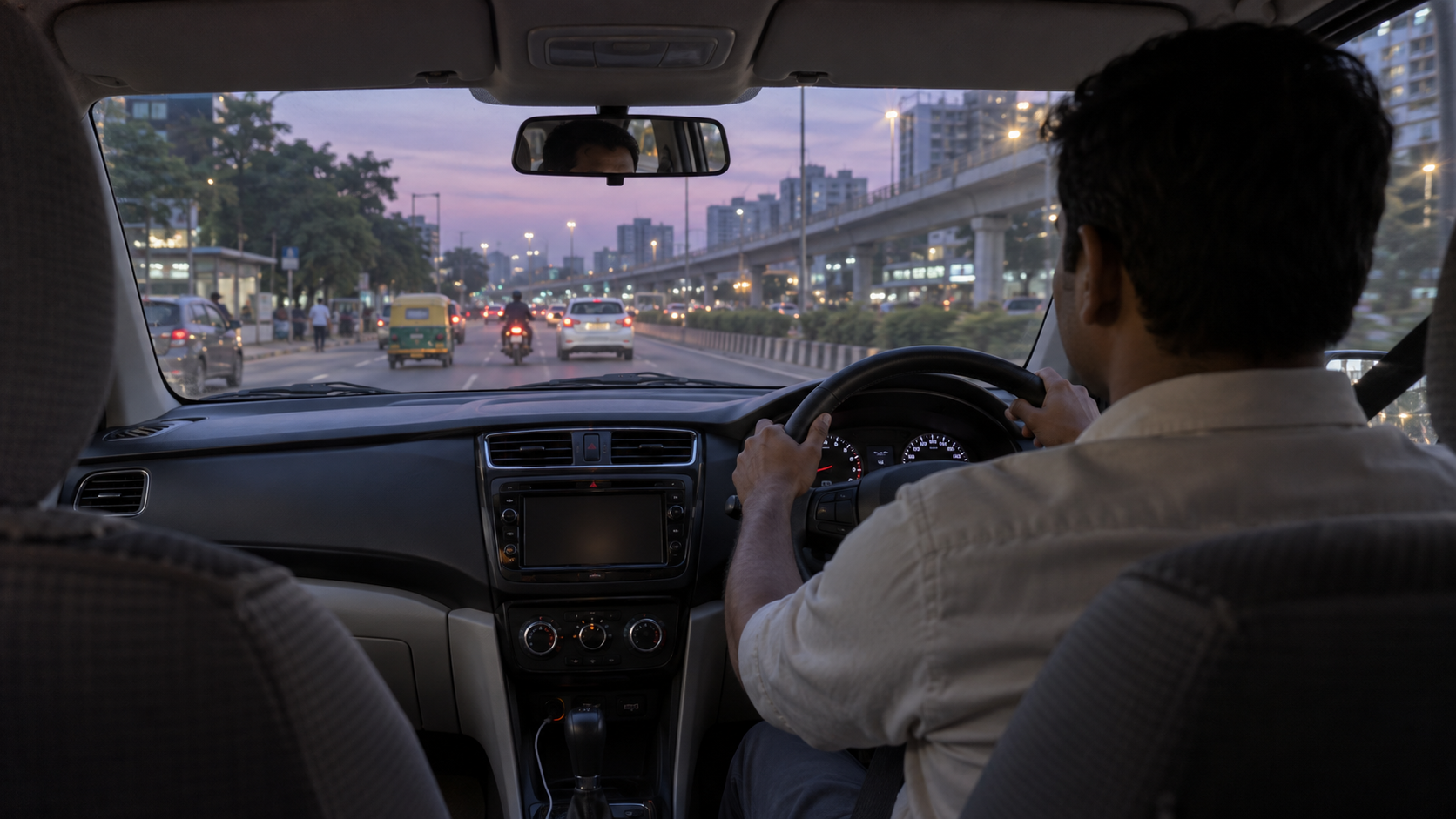
A person facing coercion, sexual violence or a medical emergency in a cab may be unable to reach a phone or ask for help. An incident can remain unnoticed while a journey still appears active.
VV is designed to bring eligible journey signals and sustained deviations to an authorised reviewer’s attention. Signals support assessment; they do not prove a crime. Response depends on the agreed operational process and available responders.
Review unusual journey patterns alongside signal quality and persistence, with human assessment before action.
Review participating trucks, route changes and unexpected stops. Cargo condition or theft confirmation requires additional data and investigation.
Connect through an agreed API workflow, define ownership and evaluate detection, false alerts and handoffs on a limited pilot.
Bring journey context into the tools your transport team already uses.
Explore fleet safety ↗
Review sessions, vehicles and alerts in your organisation workspace.
Open VV Console ↗Start with a fleet, a supported video use case or a defined government pilot. Build the evidence before expanding.
Discuss a pilotBring journey signals and reviewable evidence into one considered view.
Explore integration pathways ↗